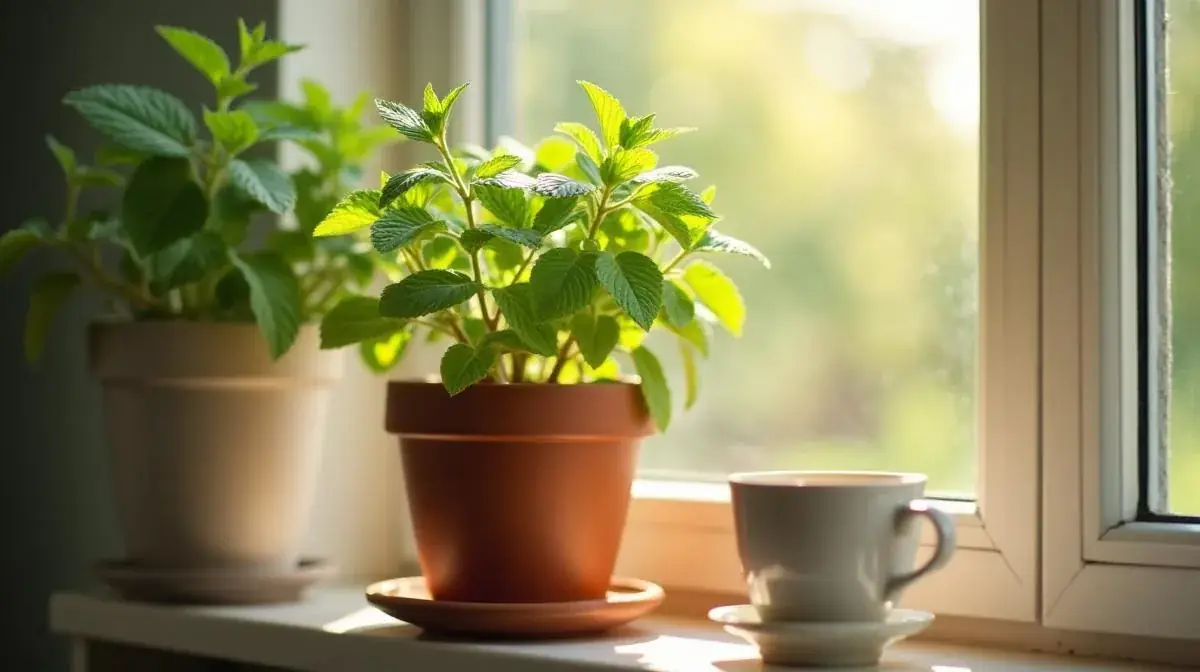
Turn this into a daily habit — free to start in the MindLift app:
This article is about mint. But it's also about something bigger: the quiet mental health benefits of nurturing something small and alive.
Why Mint?
Mint is nearly impossible to kill. It grows fast, smells wonderful, and doesn't need much attention. That makes it the perfect plant for people who have never grown anything before.
But beyond the practical appeal, growing mint — or any plant — introduces a gentle daily ritual into your life. And rituals, even tiny ones, are powerful tools for mental wellness.
How to Grow Mint Indoors: Step by Step
What You Need
- A small pot with drainage holes
- Regular potting soil
- A mint cutting or small plant from a garden center
- A spot with indirect sunlight
Steps
- Plant the mintin moist potting soil, about 1 inch deep
- Water when the top inch of soil feels dryusually every 2-3 days
- Place near a windowwith indirect light (direct sun can scorch the leaves)
- Pinch off the top leavesregularly to encourage bushier growth
- Harvest by snipping stemsthe more you use it, the more it grows
The Mental Health Connection
1. Nurturing Creates Purpose
Caring for something — even something as small as a mint plant — gives you a reason to show up each day. Water it. Check on it. Watch it grow.
This micro-responsibility creates a gentle sense of purpose that can be grounding when everything else feels chaotic.
2. Plant Care Is Mindfulness in Disguise
Touching soil, smelling leaves, noticing new growth — these are all sensory experiences that pull you into the present moment. It's mindfulness without trying to be mindful.
3. Scent Affects Your Brain
Mint has measurable effects on alertness and mood. Studies show that peppermint scent can reduce fatigue, improve focus, and decrease feelings of anxiety.
Having a living mint plant on your desk means you can access that scent anytime — just rub a leaf between your fingers.
Did You Know?
Peppermint aroma has been shown to enhance memory recall and sustained attention in controlled studies. Even a 3-second sniff can shift your alertness.
4. Watching Growth Builds Patience
In a world of instant results, watching a plant grow teaches something important: good things take time. This mirrors the process of mental wellness — slow, steady, and worth the patience.
Nurturing something small and alive
- PurposeA reason to show up each day. Water it. Check on it. Watch it grow.
- MindfulnessIt's mindfulness without trying to be mindful.
- PatienceGood things take time.
How MindLift Connects
Just like caring for a plant, building healthier thought patterns is a daily practice. MindLift helps you nurture your inner dialogue with short, CBT-based reframes — small acts of mental care that compound over time.
Sometimes the most healing thing you can do is water a plant.
Frequently asked questions
Is mint easy to grow indoors?
Yes. Mint is one of the most forgiving indoor herbs. It thrives in indirect light, doesn't need special soil, and is hard to kill.
Can plants really help with mental health?
Research shows that caring for plants reduces cortisol levels and increases feelings of calm. The nurturing act itself — not just the plant — provides the benefit.
What kind of mint is best for indoors?
Spearmint and peppermint both grow well indoors. Spearmint is milder and great for beginners.
Like what you're reading?
Take control of your mental wellness
Reframe the thought that started it — personalized CBT reframes in the MindLift app.


Free to start · premium optional