
Turn this into a daily habit — free to start in the MindLift app:
Stress is more than just feeling overwhelmed — it's a complex physiological response that touches every system in your body. These seven techniques are backed by research and can be put into practice starting today.
What are the most effective stress management techniques?
The most effective techniques combine deep breathing exercises, mindfulness meditation, regular physical exercise, and cognitive reframing. Using several of these together tends to work better than relying on just one — offering both immediate relief and longer-term stress resilience.
Understanding Stress and Its Impact
When we experience stress, our bodies release cortisol and adrenaline, triggering the "fight or flight" response. While this response served our ancestors well, chronic activation in modern life can contribute to serious health problems including anxiety, depression, cardiovascular disease, and weakened immune function.
The good news? Specific stress management techniques can help lower cortisol levels, improve emotional regulation, and support overall well-being. The following seven techniques are grounded in research and can be implemented starting today.
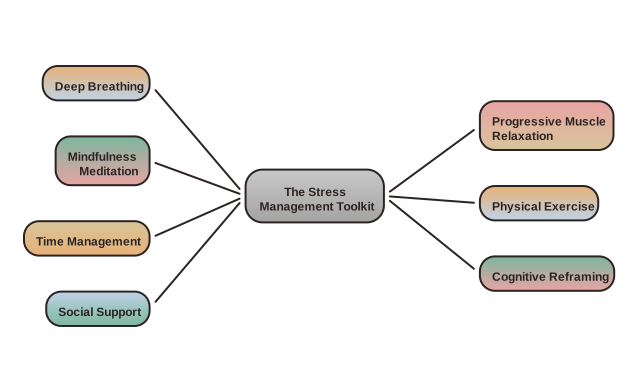
1. Deep Breathing and Box Breathing
The Science: Deep breathing activates the parasympathetic nervous system, triggering the body's relaxation response. Controlled breathing can help ease the physical sensations of stress within minutes.
Box Breathing Technique
- Inhale for 4 counts through your nose
- Hold your breath for 4 counts
- Exhale for 4 counts through your mouth
- Hold empty for 4 counts
- Repeat for 5-10 cycles
Practice this technique during high-stress moments, before important meetings, or as part of your daily routine. The beauty of breathing exercises is their accessibility — you can do them anywhere, anytime.
2. Progressive Muscle Relaxation
Progressive Muscle Relaxation (PMR) involves systematically tensing and releasing different muscle groups. Research links PMR to lower anxiety and improved sleep quality when practiced consistently.
Start with your toes and work your way up to your head, tensing each muscle group for 5 seconds before releasing. This contrast between tension and relaxation helps your body recognize and achieve deeper states of calm.
3. Mindfulness Meditation
Research out of Harvard has found that regular mindfulness meditation practice can change brain structure in as little as eight weeks. Consistent practice is linked to increased gray matter in areas associated with emotional regulation and reduced activity in the amygdala, the brain's alarm center.
Start with just 5 minutes daily, focusing on your breath without trying to change it. When your mind wanders (and it will), gently redirect attention back to your breathing. This simple practice builds mental resilience over time.
4. Regular Physical Exercise
Exercise is nature's stress reliever. Physical activity increases endorphins, helps lower cortisol, and provides a healthy outlet for stress-induced energy. Research consistently shows that even a short bout of moderate exercise can lower stress hormones for hours afterward.
You don't need intense workouts — even a brisk 10-minute walk can make a significant difference. Find activities you enjoy, whether it's dancing, swimming, yoga, or hiking. Consistency matters more than intensity.
5. Strategic Time Management
Poor time management is a major stress contributor. People who feel more in control of their time tend to report meaningfully lower stress and higher life satisfaction.
Time Management Strategies
- Prioritize tasks using the Eisenhower Matrix (urgent vs. important)
- Break large projects into smaller, manageable steps
- Use time-blocking to create focused work periods
- Learn to say "no" to non-essential commitments
- Build buffer time between appointments
6. Cognitive Reframing Techniques
Our thoughts directly influence our stress levels. Cognitive reframing involves challenging negative thought patterns and replacing them with more balanced, realistic perspectives. This technique, rooted in Cognitive Behavioral Therapy, has shown real promise for stress reduction.
When facing a stressful situation, ask yourself: "Is this thought helpful? What evidence supports or contradicts it? What would I tell a friend in this situation?" This practice helps break the cycle of catastrophic thinking that amplifies stress.
7. Building Social Support Networks
Strong social connections are one of the most powerful stress buffers. Research links robust social support networks to lower stress-related health risks and better long-term well-being.
Invest in relationships that provide emotional support, practical help, and positive social interaction. Remember, quality matters more than quantity — a few close, supportive relationships are more valuable than many superficial ones.
Creating Your Personal Stress Management Plan
The most effective stress management approach combines multiple techniques tailored to your lifestyle and preferences. Start small — choose one or two techniques that resonate with you and practice them consistently for two weeks before adding others.
Your 7-Day Quick Start Plan
- Days 1-2: Practice box breathing for 5 minutes, twice daily
- Days 3-4: Add 10 minutes of mindful walking or gentle exercise
- Days 5-6: Implement one time management strategy
- Day 7: Reflect on what worked best and plan for the following week
Remember, stress management is a skill that improves with practice. Be patient with yourself and celebrate small wins. The goal isn't to eliminate stress entirely — it's to develop healthy coping mechanisms that help you navigate life's challenges with greater resilience and peace of mind.
7-Day Stress Management Quick Start Plan
Days 1-2: Master Your Breathing
Practice box breathing for 5 minutes, twice daily. Set phone reminders for morning and evening practice sessions.
Pro Tip: Use this during high-stress moments like before meetings or during traffic
Days 3-4: Add Movement
Add 10 minutes of mindful walking or gentle exercise. Focus on the sensation of movement rather than intensity.
Pro Tip: Even a walk around the block counts—consistency beats intensity
Days 5-6: Implement Time Management
Choose one time management strategy (Eisenhower Matrix or time-blocking) and apply it to your daily schedule.
Pro Tip: Start with just one technique—adding too many at once increases stress
Day 7: Reflect and Plan
Review which techniques worked best for you. Rate your stress levels before and after the week. Plan which techniques to continue and which to add.
Pro Tip: Create a personalized stress management routine based on what resonated with you
MindLift is built for the moment stress spikes — name what's weighing on you and get a Realist, Growth, and Compassionate reframe in about 60 seconds. Free to start, premium available. Try MindLift — free to start →
Frequently asked questions
How quickly do stress management techniques show results?
Some techniques like deep breathing can provide relief within minutes, while others like meditation and exercise show meaningful benefits after a few weeks of consistent practice. The key is consistency and finding techniques that resonate with your lifestyle.
Which stress management technique is most effective?
The most effective technique varies by individual, but research consistently shows that combining multiple approaches (breathing exercises, physical activity, mindfulness, and time management) yields the best results. Start with one technique and gradually add others.
Can these techniques help with chronic stress?
Yes, these evidence-based techniques are particularly effective for chronic stress when practiced consistently. However, chronic stress may also benefit from professional support, lifestyle changes, and addressing underlying causes.
How can I use these techniques at work?
Many techniques can be adapted for workplace use: desk breathing exercises, walking meetings, micro-meditations between tasks, and setting boundaries with technology. The key is finding discreet techniques that fit your work environment.
Like what you're reading?
Continue your wellness journey
Reframe negative thoughts in 60 seconds — free to start in the MindLift app.


Free to start · premium optional