
Turn this into a daily habit — free to start in the MindLift app:
Peace doesn't always come from dramatic life changes. Sometimes it comes from the smallest habits — repeated quietly, day after day.
Your nervous system responds to patterns. When your daily life has gentle, predictable rhythms, your brain spends less energy in fight-or-flight mode and more in a calm, regulated state.
These 10 habits aren't complicated. They don't require special equipment or hours of free time. But practiced consistently, they can gradually shift how your mind and body respond to stress. If your current routines feel scattered, our Peaceful Routine Quiz can help you spot where to start.
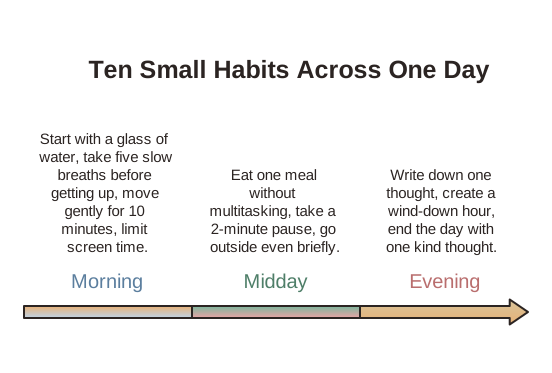
1. Start Your Morning With Water
Before coffee, before your phone — drink a glass of water. Dehydration affects mood, focus, and energy levels. Hydrating first thing signals to your body that the day is starting gently.
It's a small act of care that sets a calm tone.
2. Take 5 Slow Breaths Before Getting Up
Before you leave bed, take five slow, deep breaths. Inhale for 4 counts, hold for 4, exhale for 6.
This activates your parasympathetic nervous system — the part responsible for calm. It takes less than a minute and resets your baseline for the day.
- Breathe in — 4 seconds
- Hold — 4 seconds
- Breathe out — 6 seconds
3. Move Gently for 10 Minutes
You don't need an intense workout. A short walk, gentle stretching, or light yoga is enough to release tension and boost mood-regulating chemicals in the brain.
Movement tells your nervous system: "We're safe. We can relax."
4. Limit Morning Screen Time
The first 30 minutes of your day shape your mental state. Scrolling through news or social media floods your brain with stimulation before it's fully awake.
Try delaying screens by even 15 minutes. Use that time for any of the other habits on this list.
5. Eat One Meal Without Multitasking
Pick one meal — breakfast, lunch, or dinner — and eat it without your phone, laptop, or TV.
Mindful eating reduces cortisol and helps your body properly digest. It's also a quiet moment of presence in an otherwise noisy day.
6. Take a Midday Pause
Set a reminder to stop for 2 minutes in the middle of your day. Close your eyes, take a few breaths, and check in with yourself.
This interrupts the buildup of tension that accumulates without you noticing. Think of it as a mental reset button.
7. Go Outside — Even Briefly
Natural light and fresh air have measurable effects on stress hormones. Even 5 minutes outside can shift your mood.
If you can't go outside, standing by an open window counts. The goal is to break the indoor loop.
8. Write Down One Thought
You don't need a full journaling practice. Just write down one thought that's been circling in your mind. Getting it on paper externalizes it — your brain no longer needs to hold onto it.
This is especially helpful for overthinkers.
9. Create an Evening Wind-Down
The hour before sleep shapes your sleep quality. Dim the lights, put your phone away, and do something calm — reading, stretching, or listening to quiet music.
A consistent wind-down routine tells your brain it's safe to let go of the day.
10. End the Day With One Kind Thought
Before you fall asleep, offer yourself one gentle thought. It doesn't have to be grand.
"I did enough today."
"I'm allowed to rest."
"Tomorrow is a fresh start."
This small act of self-compassion rewires how your brain processes the day — shifting from self-criticism to quiet acceptance.
Why Small Habits Work Better Than Big Changes
Your nervous system doesn't respond well to sudden overhauls. It responds to consistency and predictability.
Small habits practiced daily create neural pathways that make calm your default mode — not something you have to chase.
You don't need to do all 10. Start with one. Let it become easy. Then add another.
How MindLift Supports Peaceful Routines
MindLift helps you build calmer thought patterns through short, daily reframes based on cognitive psychology.
Think of it as habit #11 — a gentle nudge that helps your inner voice become part of the routine, not the obstacle. For a beginner-friendly companion, pair this with simple mindfulness exercises.
Final Thought
Peace isn't something you find once. It's something you practice daily.
And it often starts with the smallest things.
Frequently asked questions
What are peaceful daily routines?
Peaceful routines are small, repeated habits — like morning stretching, mindful breathing, or an evening wind-down — that help your nervous system stay regulated throughout the day.
How long does it take for a new routine to calm your mind?
It varies from person to person, and there is no fixed timeline. With consistent practice, the effect of simple habits on your stress response builds gradually.
Do I need to do all 10 habits at once?
No. Start with one or two that feel manageable. Consistency with a few habits matters more than trying to do everything at once.
Can routines help with anxiety?
Yes. Predictable daily patterns signal safety to your nervous system, which can reduce baseline anxiety over time.
Like what you're reading?
Take control of your mental wellness
Reframe the thought that started it — personalized CBT reframes in the MindLift app.


Free to start · premium optional