Turn this into a daily habit — free to start in the MindLift app:
Your brain is not a fixed machine. It's more like a living network — constantly reshaping itself based on what you think, feel, and repeat.
That's the powerful idea behind the science of brain rewiring. And it leads to one simple but life-changing truth:
You are not stuck with your thoughts. You can train your brain to think differently.
What Does It Mean to "Rewire Your Brain"?
At the core is neuroplasticity — your brain's ability to physically change based on experience.
Every repeated thought strengthens neural pathways:
- Stressful thinking → stronger anxiety patterns
- Calm, balanced thinking → stronger emotional resilience
Your brain becomes what you practice.
7 Key Insights About Rewiring Your Brain
1. Thoughts Physically Shape Your Brain
Thoughts aren't just mental — they're biological. Repeated thinking patterns become default pathways, making certain emotions easier to trigger over time.
2. Your Inner Voice Is Training Your Mind
That constant internal dialogue isn't neutral. Negative self-talk can become a loop that reinforces stress and self-doubt.
Change how you speak to yourself → change how you feel.
3. Cognitive Distortions Drive Most Negative Thinking
Your brain uses shortcuts — but they're often wrong. Common distortions include:
- Catastrophizing — "This will go terribly"
- Mind reading — "They think I'm incompetent"
- All-or-nothing thinking — "If it's not perfect, it's a failure"
These patterns distort reality and intensify negative emotions.
4. Attention Controls Your Mental State
Focus acts like fuel:
- Focus on problems → more stress
- Focus on solutions → more control
- Focus on progress → more motivation
Attention strengthens whatever it touches.
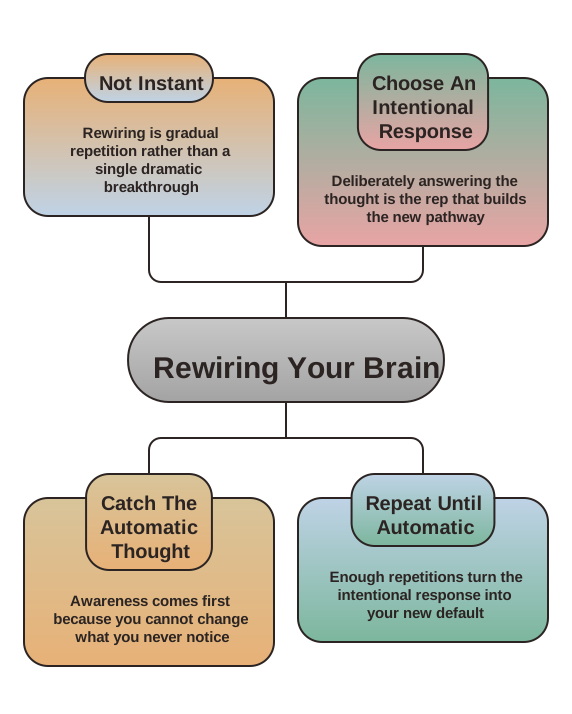
5. Repetition Is the Real Change Mechanism
Big insights don't rewire your brain. Small repetitions do:
- One reframed thought
- One pause before reacting
- One calmer response
Done consistently → lasting change.
6. Your Body Shapes Your Mind
Brain and body are deeply connected. Sleep, movement, and breathing directly affect mood, stress levels, and cognitive clarity.
A regulated body supports a regulated mind.
7. You Can Interrupt Negative Thought Loops
Negative thinking often runs automatically. But there's always a moment where you can step in:
- Notice the thought
- Question it
- Replace it with something more balanced
That's the moment rewiring begins.
The Shift: From Automatic Thinking to Intentional Thinking
Much emotional distress isn't caused by events alone. It's shaped by how your brain interprets them.
When you change the interpretation, you change the experience.
A Quick Rewiring Exercise
Next time your mind spirals, try this:
- Is this thought 100% true?
- Am I assuming the worst?
- What's a more realistic alternative?
Example:
- ❌ "I ruined everything"
- ✅ "That didn't go well, but it's not the whole story."
Small shift. Real impact.
Rewire Your Thinking in Real Time with MindLift
Understanding your brain is powerful. But real change happens in the moment you're triggered.
MindLift helps you:
- Respond to your thoughts instead of spiraling
- Reframe negative thinking instantly
- Build calmer, more realistic mental patterns
It's like having a coach for your inner voice — right when you need it.
Final Thought
Your brain is always listening to what you repeat. Every thought is shaping your future mindset.
So instead of asking "Why do I think like this?" — ask:
"What do I want my brain to learn next?"
Frequently asked questions
How do you rewire your brain from negative thinking?
Start by noticing your thought patterns — especially cognitive distortions like catastrophizing or all-or-nothing thinking. Then practice replacing them with more balanced alternatives. The key is repetition: one calm, realistic thought practiced daily gradually becomes a habit.
How long does it take to rewire your brain?
Small shifts can begin within days of consistent practice. Deeper patterns typically take weeks to months. The key isn't intensity — it's doing small things consistently. One reframed thought per day matters more than one powerful insight you forget.
What are cognitive distortions?
Cognitive distortions are mental shortcuts your brain uses that are often inaccurate. Common examples include catastrophizing ('This will go terribly'), mind reading ('They think I'm incompetent'), and all-or-nothing thinking ('If it's not perfect, it's a failure'). They distort reality and intensify negative emotions.
Does self-talk really affect your brain?
Yes. Your inner voice isn't just mental noise — it actively trains your neural pathways. Negative self-talk reinforces stress and self-doubt loops. Research on self-talk suggests that changing how you speak to yourself can change how you feel and cope under stress.
What's the difference between positive thinking and realistic thinking?
Positive thinking forces optimism your brain may reject. Realistic thinking acknowledges difficulty while offering a more balanced perspective. Instead of 'Everything is great,' try 'That didn't go well, but it's not the whole story.' Your brain responds to believable shifts, not forced positivity.
Like what you're reading?
Continue your wellness journey
Reframe negative thoughts in 60 seconds — free to start in the MindLift app.


Free to start · premium optional