How to Stop Overthinking
Why your brain gets stuck in loops — and evidence-based ways to break free
33 articles in this topic
Overthinking is one of the most common mental health challenges. It's the brain's tendency to replay, predict, and analyze situations far beyond what's useful — turning everyday events into exhausting mental marathons.
Research shows that overthinking is driven by fear-based brain mechanisms, cognitive distortions, and habits that can be identified and changed. Take the Cognitive Distortion Quiz to discover which thinking trap runs your brain.
This hub brings together everything MindLift has published about overthinking: the science behind it, practical solutions, and the CBT-based techniques that help thousands of people quiet their minds. For a comprehensive walkthrough of every technique, read the full stop-overthinking guide.
Interactive Quizzes
Test your patterns with these free, science-based assessments. No sign-up required.






Understanding Overthinking
The science and psychology behind why your mind gets stuck.






Solutions & Techniques
Practical, evidence-based methods to calm an overthinking mind.


















Overthinking in Context
How overthinking shows up at work, in relationships, and daily life.






MindLift For
Dedicated support pages for specific challenges.
Break the Overthinking Loop in 60 Seconds
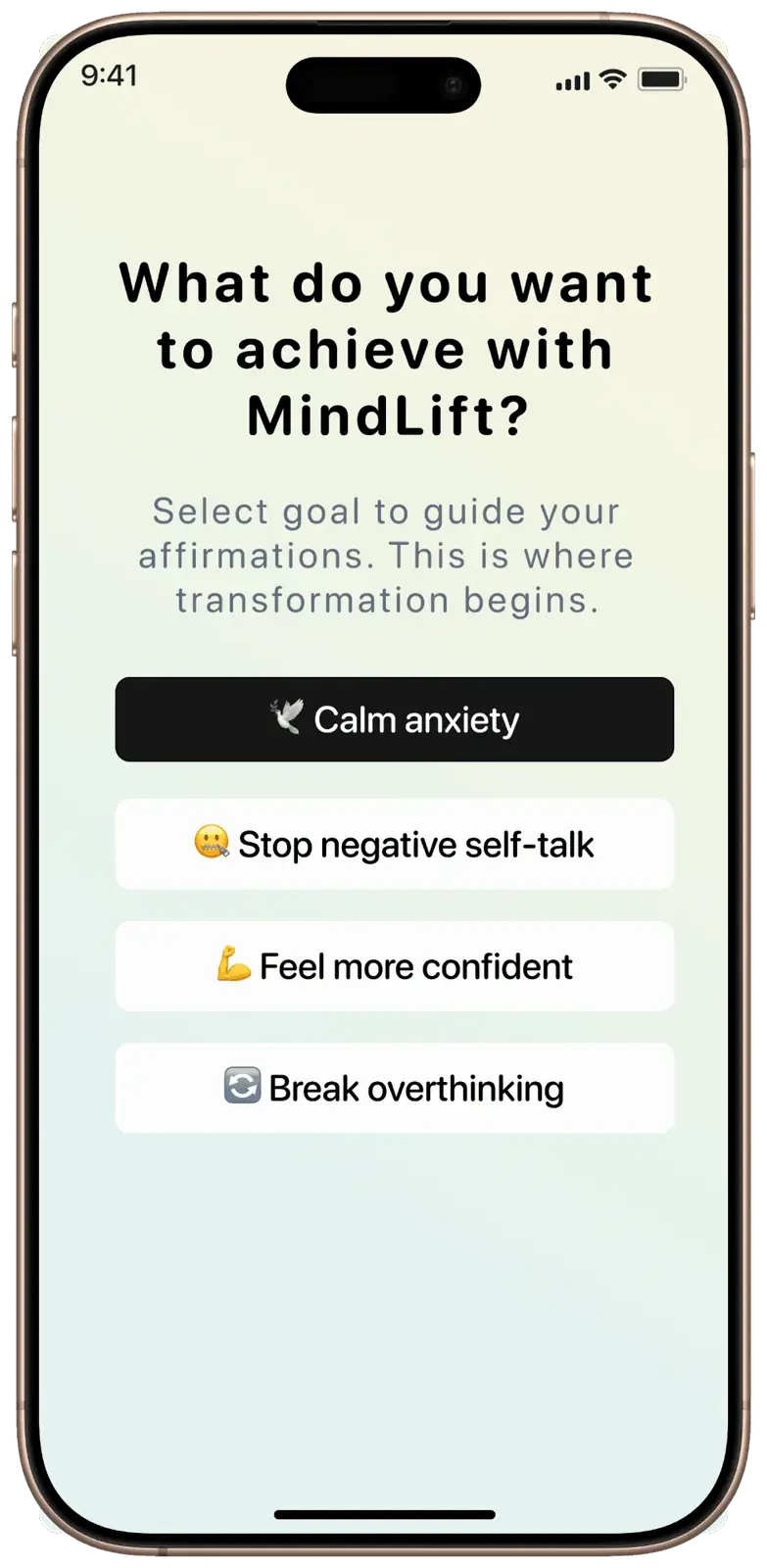
MindLift uses CBT-based reframing to help you interrupt negative thought spirals the moment they start. Free to start on iOS and Android.
Try MindLift — free to start →Frequently asked questions
Why can't I stop overthinking?
Overthinking is driven by the brain's threat detection system and cognitive distortions like catastrophizing. It becomes habitual through repetition, but CBT-based techniques can help you break the cycle.
Is overthinking a mental illness?
Overthinking itself is not a diagnosis, but chronic overthinking is associated with anxiety, depression, and stress. Learning to manage thought patterns can significantly improve well-being.
What is the best technique to stop overthinking?
CBT-based thought reframing is one of the most researched techniques. It involves noticing the thought, identifying the distortion pattern, and replacing it with a more balanced interpretation.