Turn this into a daily habit — free to start in the MindLift app:
One bad night leaves you irritable. Weeks of bad nights can tip into depression and anxiety. Here's what's actually happening in your brain while you sleep — and the changes that most reliably fix it, starting tonight.
How does sleep quality affect mental health?
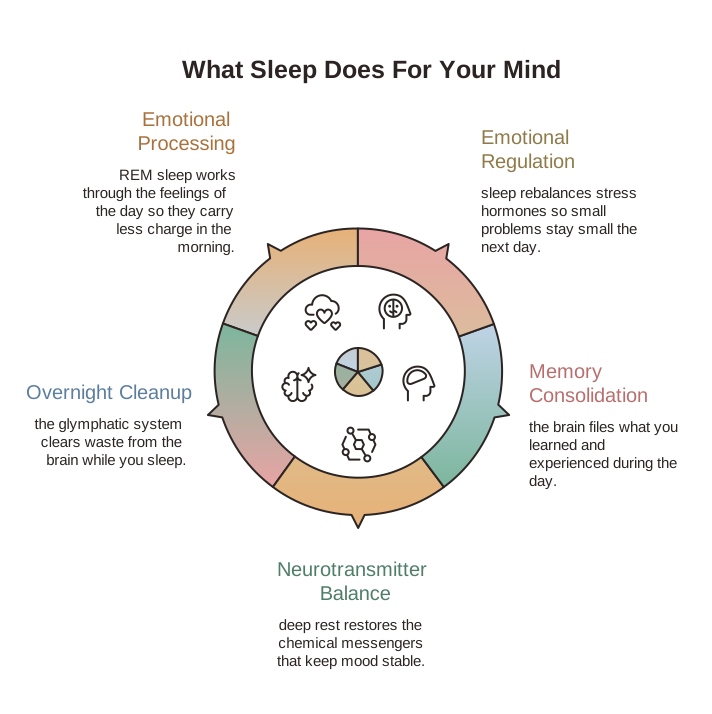
Quality sleep directly impacts emotional regulation, stress hormone balance, and neurotransmitter production. Poor sleep is linked to a higher risk of depression and anxiety. During sleep, your brain consolidates memories, processes emotions, and clears toxic waste through the glymphatic system—all critical for mental well-being.
The Science of Sleep and Brain Health
Sleep isn't just downtime for your body—it's when your brain performs critical maintenance work. During sleep, your brain consolidates memories, processes emotions, clears toxic waste through the glymphatic system, and regulates neurotransmitters essential for mood stability.
Research on sleep and mental health shows the two are so closely connected that sleep problems can both cause and result from mental health issues. This bidirectional relationship means that improving sleep quality can be a powerful tool for enhancing emotional well-being.
Key sleep functions for mental health
- Emotional regulation and stress hormone balance
- Memory consolidation and learning
- Neurotransmitter production (serotonin, dopamine, GABA)
- Brain detoxification and cellular repair
- Immune system strengthening
How Sleep Deprivation Affects Mental Health
Even one night of poor sleep can significantly impact your emotional state. Sleep deprivation affects the brain's ability to regulate emotions, leading to increased reactivity, irritability, and difficulty coping with stress.
Chronic sleep deprivation creates a cascade of mental health challenges:
Short-term effects (1–7 days)
- Increased irritability and mood swings
- Difficulty concentrating and making decisions
- Heightened stress response
- Reduced emotional control
Long-term effects (weeks to months)
- Higher risk of depression, anxiety disorders, and panic attacks
- Cognitive decline and memory problems
- Weakened immune system
Understanding Sleep Cycles and Mental Restoration
Your sleep occurs in 90-minute cycles, each containing different stages that serve specific mental health functions. Understanding these stages helps you appreciate why both sleep duration and quality matter.
Sleep stages and mental health benefits
- Stage 1-2 (Light Sleep): Transition and relaxation, stress hormone reduction begins
- Stage 3 (Deep Sleep): Physical restoration, memory consolidation, toxin clearance
- REM Sleep: Emotional processing, creativity, dream-based problem solving
Disruptions to any stage can impact mental health, but deep sleep and REM are particularly crucial for emotional regulation and stress resilience.
Essential Sleep Hygiene Practices
Sleep hygiene refers to behaviors and environmental factors that promote consistent, quality sleep. These evidence-based practices can dramatically improve both sleep and mental health outcomes.
Timing and consistency
- Go to bed and wake up at the same time daily (even weekends)
- Avoid naps after 3 PM
- Stop caffeine intake after 2 PM
- Finish eating 3 hours before bedtime
Technology and light
- No screens 1 hour before bedtime
- Use blue light filters after sunset
- Get bright light exposure in the morning
- Keep bedroom as dark as possible
Creating the Perfect Sleep Environment
Your sleep environment plays a crucial role in sleep quality and, by extension, mental health. Small changes to your bedroom can yield significant improvements in both sleep and mood.
Optimal sleep environment checklist
- Temperature: 65-68°F (18-20°C)
- Darkness: Blackout curtains or eye mask
- Quiet: Earplugs or white noise machine
- Comfort: Quality mattress and pillows
- Air quality: Good ventilation, possibly air purifier
- Minimal clutter: Clean, organized space
- No work items: Bedroom for sleep only
- Calming colors: Soft, neutral tones
Building a Calming Bedtime Routine
A consistent bedtime routine signals to your brain that it's time to wind down, promoting faster sleep onset and better sleep quality. This routine becomes particularly important for managing anxiety and stress.
Sample 60-minute bedtime routine
- 60 minutes before: Dim lights, stop work/stimulating activities
- 45 minutes before: Take a warm bath or shower
- 30 minutes before: Practice relaxation (reading, gentle stretching, meditation)
- 15 minutes before: Breathing exercises or gratitude journaling
- Bedtime: Progressive muscle relaxation in bed
Customize this routine to fit your lifestyle, but maintain consistency. The key is creating a peaceful transition from day to night that helps your mind release the day's stresses.
When to Seek Professional Help
While sleep hygiene improvements help most people, some sleep issues require professional intervention. Recognizing when to seek help is crucial for both sleep and mental health.
Seek professional help if you experience
- Persistent insomnia despite good sleep hygiene (3+ weeks)
- Loud snoring with breathing interruptions (possible sleep apnea)
- Excessive daytime sleepiness despite adequate sleep
- Sleep issues significantly impacting work, relationships, or daily functioning
- Sleep problems accompanied by depression, anxiety, or suicidal thoughts
Sleep specialists can diagnose and treat various sleep disorders, while mental health professionals can address the psychological aspects of sleep problems. Often, a collaborative approach yields the best results.
Remember, prioritizing sleep isn't selfish—it's essential for mental health, productivity, and overall quality of life. Start with small changes tonight, and be patient as your sleep and mental health improve together.
MindLift is built for the racing thoughts that keep you up in the first place — name what's looping and get a grounded, believable reframe in about 60 seconds. Free to start, premium available. Try MindLift — free to start →
Sleep Aids and Mental Health
Pros
- Can provide temporary relief for acute insomnia
- May help reset sleep patterns when used short-term
- Some natural options (melatonin, magnesium) have minimal side effects
- Can reduce sleep anxiety in the short term
Cons
- May interact with mental health medications
- Can create dependency or tolerance over time
- Often address symptoms rather than root causes
- Some prescription sleep aids worsen depression or anxiety
- Natural doesn't always mean safe—always consult healthcare provider
Recommendation: Focus on sleep hygiene first. If sleep problems persist after 3+ weeks of good sleep habits, consult a healthcare provider for personalized guidance rather than self-medicating.
Frequently asked questions
How many hours of sleep do I really need for good mental health?
Most adults need 7-9 hours of quality sleep per night for optimal mental health. However, sleep quality matters as much as quantity. Consistent sleep patterns and deep, restorative sleep cycles are crucial for emotional regulation and cognitive function.
Can poor sleep actually cause depression and anxiety?
Yes, chronic sleep deprivation can trigger and worsen depression and anxiety. Sleep disruption affects neurotransmitter production, stress hormone regulation, and emotional processing. Addressing sleep issues is often a crucial first step in mental health treatment.
What's the fastest way to improve my sleep quality?
Start with sleep hygiene basics: consistent bedtime, dark room, cool temperature (65-68°F), no screens 1 hour before bed, and avoiding caffeine after 2 PM. These changes can improve sleep quality within days to weeks.
Are sleep aids safe for people with mental health conditions?
Some sleep aids can interact with mental health medications or worsen certain conditions. Always consult with your healthcare provider before using sleep aids, especially if you're taking psychiatric medications or have a mental health diagnosis.
Like what you're reading?
Take control of your mental wellness
Reframe the thought that started it — personalized CBT reframes in the MindLift app.


Free to start · premium optional