It's 3am and your brain won't stop.
Why the worst thoughts pick the worst hour — and the 60-second way out
14 articles in this topic
You know the one. The replayed conversation, the thing you said in 2019, the worst-case scenario your brain insists on rehearsing — always at 3am, never at 3pm. That's not a coincidence. At night your prefrontal cortex (the part that talks you down) is at its lowest ebb, while your threat system keeps full staffing. Same thought, no defense — so it lands harder and loops longer.
Your chronotype decides when your mind is most vulnerable — night owls get the infamous 2–3am spiral, larks get the pre-dawn replay. Find yours with the chronotype + anxiety quiz, then use the guides below for what to do while it's actually happening.
And when the thought is attacking right now: don't debate it in the dark. Type it into MindLift and get a balanced, CBT-based reframe in about 60 seconds — the app is awake at 3am too.
Interactive Quizzes
Test your patterns with these free, science-based assessments. No sign-up required.


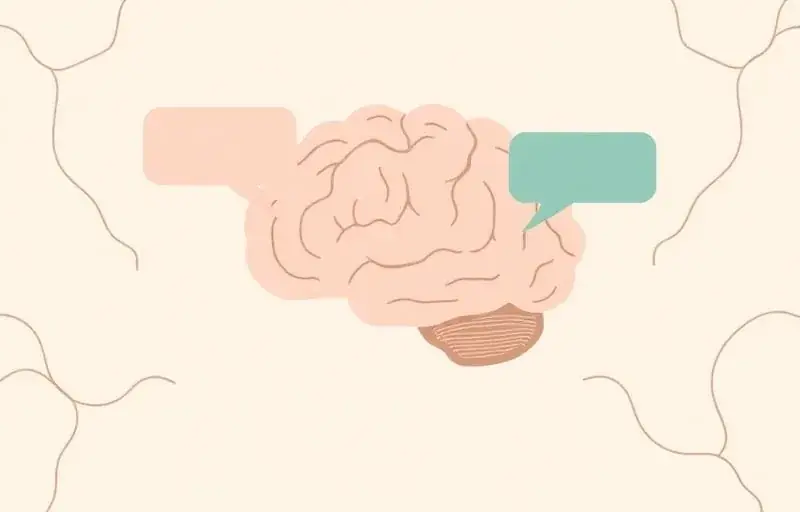
Why It Happens at Night
The science of why your brain saves its worst material for the dark.


What to Do at 3am
Techniques that work while you're lying there — no getting up required.






The 3am Thought in Context
When the night spiral has a specific flavor.




MindLift For
Dedicated support pages for specific challenges.
The App That's Awake at 3am
Type the thought that woke you up. MindLift returns a balanced CBT reframe in about 60 seconds — free to start, works offline, judgment not included.
Get MindLift free →Frequently asked questions
Why do I always wake up at 3am with racing thoughts?
Around 3–4am your body naturally passes through lighter sleep stages while cortisol starts its morning rise. If you carry unresolved stress, that combination surfaces it — and because the rational prefrontal cortex is least active at night, the thoughts feel bigger and harder to dismiss than they would in daylight.
How do I stop a 3am thought spiral?
Don't argue with the thought in your head — that's rumination wearing a problem-solving costume. Externalize it instead: write it down or type it into a CBT tool like MindLift and reframe it once, deliberately. Then give your mind a low-stakes anchor (slow breathing, a body scan) so it has somewhere to go other than the loop.
Are 3am thoughts true?
They feel truer than they are. Night-time thoughts are produced by a brain with reduced prefrontal (rational) activity and heightened threat sensitivity — the mental equivalent of a courtroom with no defense attorney present. A useful rule: no verdicts after midnight. Reframe it now, evaluate it in daylight.
Should I get up or stay in bed when I can't stop thinking?
Sleep researchers suggest that if you've been awake and spiraling for roughly 20 minutes, briefly getting up and doing something calm in dim light beats lying there teaching your brain that bed is where worrying happens. Handle the thought first — one written or typed reframe — then return when your body feels heavy.